
Branded Hand Sanitiser for Healthcare Providers in Australia: A Complete Sourcing Guide
Discover how Australian healthcare providers can source branded hand sanitiser effectively — covering compliance, decoration, MOQs and supplier tips.

Written by
Grace Bennett
Industry Trends & Stats
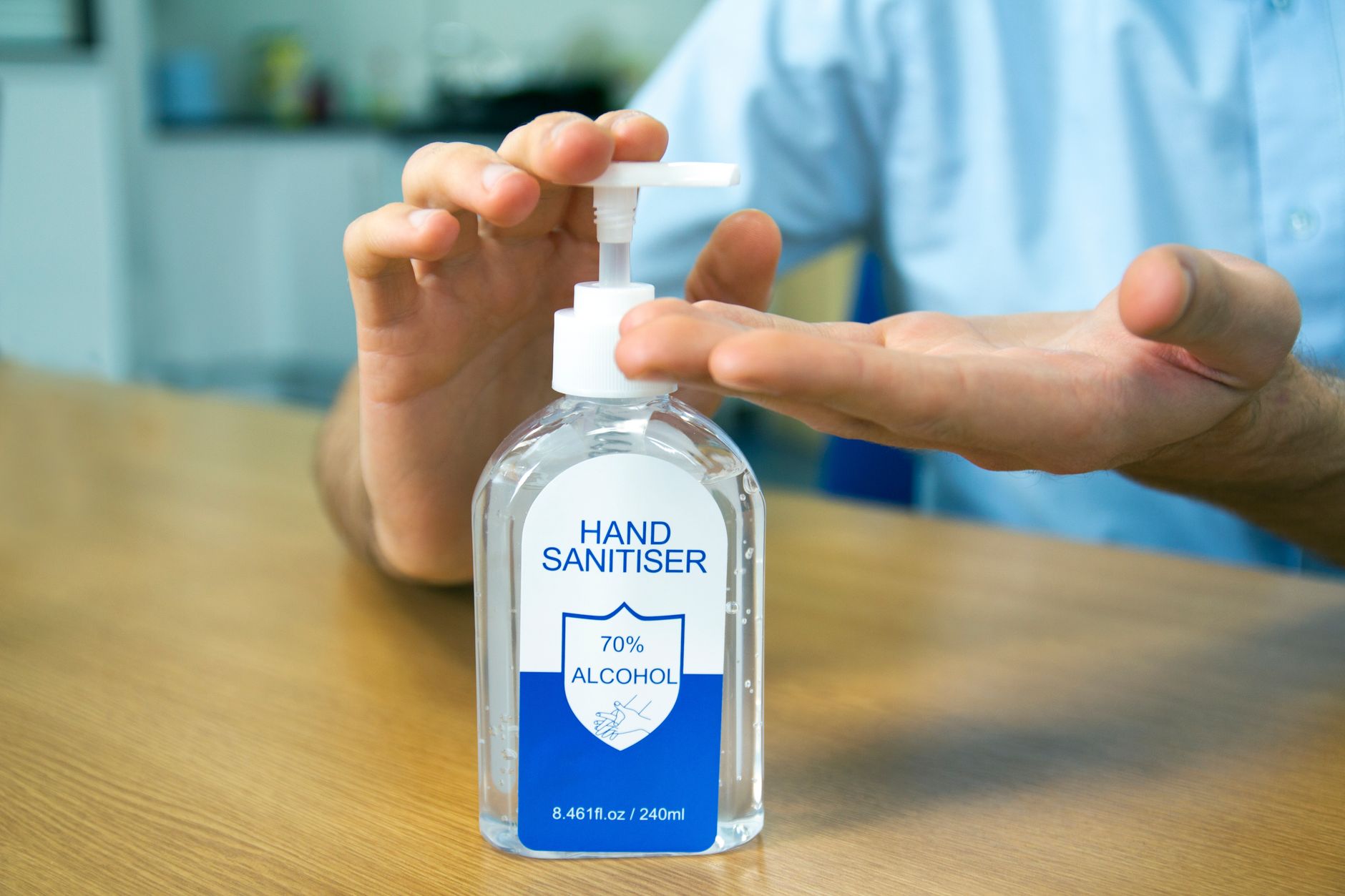
Sourcing branded hand sanitiser for healthcare providers in Australia isn’t as straightforward as ordering a box of custom pens. Between TGA compliance requirements, infection control protocols, labelling regulations, and the practical demands of a clinical environment, healthcare organisations face a uniquely complex set of considerations when adding their branding to hygiene products. Yet the opportunity is real and significant. From GP clinics in Adelaide and aged care facilities in Perth to hospital networks across Sydney and Melbourne, branded sanitiser serves a dual purpose: reinforcing hygiene culture while keeping an organisation’s identity front and centre for staff, patients, and visitors alike.
Whether you’re a marketing agency managing health sector accounts, a reseller looking to expand your health and wellness product range, or a healthcare business looking to source in bulk, this guide covers everything you need to know about ordering branded hand sanitiser in Australia in 2026.
Why Healthcare Providers Are Investing in Branded Hand Sanitiser
The health and wellness promotional products market has matured significantly since hand sanitiser became a staple in Australian workplaces and public spaces. For healthcare providers specifically, branded sanitiser isn’t a novelty — it’s a functional, daily-use product that happens to carry branding.
There are several compelling reasons healthcare organisations are sourcing custom hand sanitiser:
- Patient and visitor reassurance: Branded dispensers and bottles at reception desks, waiting areas, and ward entrances signal a commitment to hygiene and professionalism
- Staff compliance: Custom sanitiser placed strategically throughout a facility reinforces handwashing protocols and supports infection control policies
- Corporate identity: A hospital, dental practice, or allied health group with consistent branding across every touchpoint — including hygiene products — projects a polished, trustworthy image
- Community outreach and awareness campaigns: Many healthcare providers distribute branded sanitiser at health expos, community events, and as part of health promotion initiatives
For dental practices in particular, branded hygiene products align beautifully with messaging around oral and personal health. Our guide on dental promotional products in Australia explores how health-focused branding can extend well beyond the clinic floor.
Understanding TGA Compliance for Branded Hand Sanitiser in Australia
This is the most critical piece of knowledge for anyone sourcing branded hand sanitiser for healthcare providers in Australia. The Therapeutic Goods Administration (TGA) classifies hand sanitisers as either a therapeutic good or a cosmetic, depending on the formulation and claims made on the label.
What Makes a Sanitiser TGA-Regulated?
A hand sanitiser is considered a therapeutic good — and therefore subject to TGA registration or listing — if it makes therapeutic claims such as “kills 99.9% of bacteria” or “prevents infection.” Products making these claims must be listed on the Australian Register of Therapeutic Goods (ARTG). Healthcare providers and their suppliers need to verify that any product sourced for clinical or patient-facing environments meets this standard.
Cosmetic hand sanitisers (those that make no therapeutic claims) fall under a different regulatory framework and are subject to NICNAS (now AICIS) requirements, but are generally more straightforward to procure for general office or retail use.
Key Considerations for Healthcare Settings
- Always request TGA listing confirmation from your supplier before ordering for healthcare environments
- Confirm the formulation — most clinical-grade sanitisers use at least 60–80% alcohol (typically ethanol or isopropanol)
- Check that the product’s label complies with TGA requirements before adding custom branding — your decoration should not obscure mandatory label information
- Ask your supplier whether they have experience supplying to healthcare accounts specifically
This is an area where working with a knowledgeable supplier makes a genuine difference. A supplier who understands the regulatory landscape will save you significant time and potential compliance headaches.
Product Formats: Choosing the Right Sanitiser for Healthcare Environments
Not all branded hand sanitiser products are created equal, and the format you choose will depend heavily on how and where it’s being used.
Pocket-Sized Bottles (30ml–100ml)
These are ideal for branded giveaways, patient welcome packs, and community health events. A Brisbane community health centre, for example, might distribute 50ml branded sanitisers at a local health expo alongside other promotional items. The small format suits pad printing or label application and is one of the most popular configurations for branded promotional sanitiser.
When building out health-related welcome kits, pairing sanitiser with other useful items can amplify the impact. Check out our guide to custom welcome packs for new employee onboarding for inspiration on how to bundle products effectively — many of these principles apply equally to patient or community welcome kits.
Table-Top Pump Dispensers (250ml–500ml)
The workhorse of waiting rooms, reception desks, and clinical common areas. Table-top dispensers with custom labels or printed pump mechanisms are a popular choice for aged care facilities, GP practices, and allied health clinics. Branding is typically applied via a label or shrink-wrap sleeve, allowing for full-colour printing while keeping costs manageable.
Wall-Mounted Dispenser Stations
For large hospital networks, aged care campuses, or medical centres across multiple sites in cities like Melbourne or Canberra, branded wall-mounted dispensers represent a significant but impactful investment. While the branding opportunity is slightly more limited (usually a custom panel or label insert), the high-visibility placement means thousands of patient interactions daily.
Sanitiser Pens and Keyrings
These novelty formats suit promotional campaigns, health awareness events, or staff recognition initiatives rather than clinical settings. They’re popular at trade events and health expos. For healthcare providers running community-facing campaigns, these complement other promotional giveaways well.
Decoration Methods for Branded Hand Sanitiser
Unlike custom apparel — where embroidery and screen printing are go-to techniques (see our quality guide to embroidery for promotional products) — sanitiser products require decoration methods suited to plastic, glass, and flexible packaging.
Pad Printing
One of the most common methods for hard plastic bottles and pump heads. It delivers clean, accurate logo reproduction in one or two colours. Ideal for simple logos and is cost-effective at scale.
Full-Colour Label Printing
Digital label printing allows for photographic quality, full-colour designs, and complex artwork. This is the most flexible option and allows healthcare providers to include required regulatory text alongside their branding. Labels can be applied to bottles, dispensers, and outer packaging.
Screen Printing
Suitable for simple, bold designs on flat surfaces. Works well on tube-style packaging but has limitations with curved surfaces.
Debossing and Laser Engraving
Available for premium sanitiser packaging or accompanying products (such as a branded holder or stand), though less commonly used for sanitiser bottles themselves.
MOQs, Pricing, and Lead Times
For resellers and marketing agencies pricing branded hand sanitiser projects for healthcare clients, here’s a realistic overview of what to expect in 2026.
Minimum Order Quantities (MOQs): Typically start at 100 units for simple label-applied pocket bottles. Wall-mounted dispensers and custom pump dispensers may have MOQs of 250–500 units, particularly if custom components are involved.
Pricing: Pocket sanitiser bottles with branding generally range from $2.50 to $8.00 per unit depending on size, formulation, and decoration complexity. Custom dispensers and premium formats can range from $15 to $40+ per unit. Bulk orders of 1,000+ units typically attract significant tiered pricing discounts.
Lead Times: Standard production runs for labelled sanitiser typically take 10–15 business days from artwork approval. Custom-moulded or custom-packaged products may require 4–8 weeks. For healthcare providers with specific rollout dates — such as a new clinic opening in Darwin or a hospital accreditation visit — building in adequate lead time is essential.
Setup Fees: Expect artwork setup or plate fees ranging from $50 to $150 per colour for pad printing, or a flat setup fee for label printing. These are typically one-off costs.
If you’re sourcing across a broader health and wellness category, it’s worth understanding how the broader promotional drinkware market intersects — our overview of promotional drinkware market trends provides useful context on volume pricing dynamics that often apply to sanitiser product categories too.
Practical Tips for Resellers and Marketing Agencies
If you’re sourcing branded hand sanitiser for healthcare provider clients, keep these practical considerations in mind:
Qualify your supplier: Ask specifically whether they supply to healthcare organisations and whether their products are TGA-listed. This isn’t a question you want to skip.
Request samples: Always get physical samples before committing to a large order, particularly for dispenser products. Confirm the pump mechanism, formulation scent, and label quality.
Plan for regulatory labelling: Work with your client’s compliance team to ensure any mandatory text (active ingredients, directions, warnings) is incorporated into the label design before artwork is finalised.
Consider bundling: Healthcare clients often appreciate curated hygiene product bundles. Branded sanitiser pairs well with custom lanyards (explore our guide to custom promotional lanyards for healthcare ID and access card applications), branded notebooks, or other practical items.
Think beyond the clinic: Healthcare providers increasingly use promotional products at community events, health fairs, and sponsorship activations. For inspiration on how promotional products work at public-facing events, see our guide to event merchandise for charity runs in Perth.
For agencies managing Victorian health accounts, our resource on custom merchandise suppliers in Victoria can help you identify regional supplier options suited to healthcare procurement requirements.
It’s also worth noting that many healthcare providers are increasingly focused on sustainability. If your client wants eco-friendly sanitiser packaging options — such as recycled plastic bottles or plant-based formulations — this aligns with a broader industry shift. Our articles on eco-friendly office supplies in Sydney and wheat straw promotional products in Australia explore sustainable product alternatives that may complement a broader health and wellness procurement strategy.
Conclusion: Key Takeaways for Sourcing Branded Hand Sanitiser for Healthcare Providers in Australia
Branded hand sanitiser for healthcare providers in Australia sits at the intersection of promotional products and regulated healthcare goods — and that’s precisely what makes it both a valuable category and one that requires careful sourcing. Getting it right means stronger relationships with healthcare clients and a reputation as a supplier who genuinely understands their sector.
Here are the key takeaways to guide your next project:
- Compliance is non-negotiable: Always verify TGA listing status for any sanitiser product destined for a clinical or patient-facing environment — this protects your client and your business
- Match the format to the environment: Pocket bottles suit events and giveaways; pump dispensers suit waiting rooms and clinics; wall-mounted stations suit large-scale facilities
- Plan your label design carefully: Regulatory text must appear on the label — work with your client’s team to integrate mandatory information into the artwork before production begins
- Lead times matter: Healthcare organisations often have fixed go-live dates — build in at least 3–4 weeks for standard orders and longer for custom products
- Bundle strategically: Pairing branded sanitiser with complementary health-focused products creates more impactful, cohesive promotional campaigns that healthcare clients value highly