
Custom Coffee Mugs for Branding: The Complete Australian Buyer's Guide
Discover how to source and order custom coffee mugs in Australia — decoration methods, MOQs, budgets, and tips for businesses and resellers.

Written by
Theo Rodriguez
Drinkware
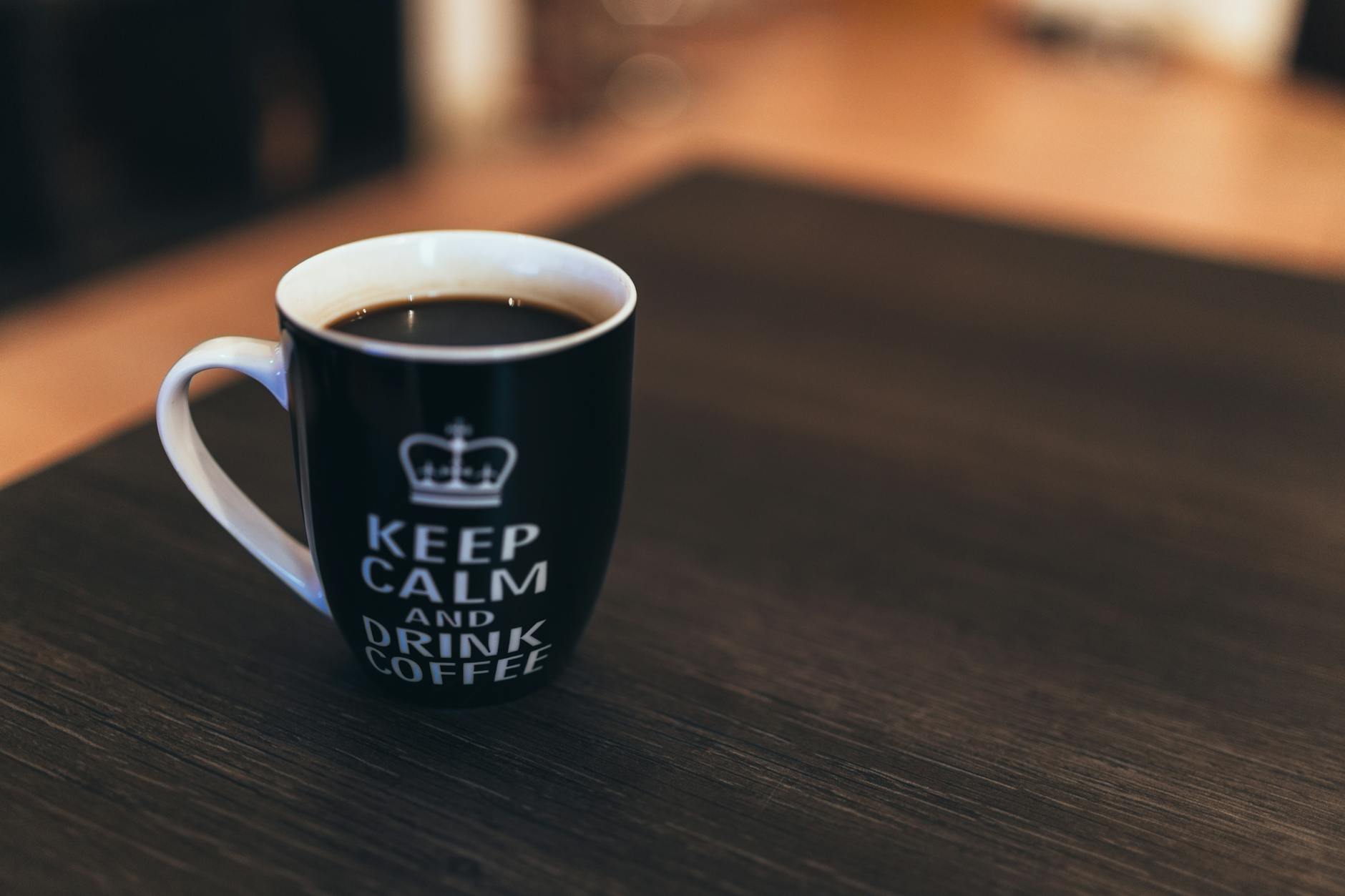
Every morning, millions of Australians wrap their hands around a mug and take that first, life-giving sip. It’s a ritual — and for brands, it’s a golden opportunity. A custom coffee mug is one of the most enduring, practical promotional products available, sitting on desks in Sydney CBD offices, clutched in Brisbane co-working spaces, and warming hands in Melbourne marketing agencies day after day. Unlike a flyer that gets tossed or a branded pen that runs dry, a quality custom mug sticks around. It becomes part of someone’s daily routine, delivering your brand impression hundreds of times over its lifespan. Whether you’re a business sourcing branded drinkware for a corporate campaign, a marketing agency managing merch for a client, or a reseller looking to expand your product range, this guide covers everything you need to know about sourcing custom coffee mugs in Australia.
Why Custom Coffee Mugs Remain a Promotional Powerhouse
Before diving into the practicalities, it’s worth understanding why custom coffee mugs continue to dominate the promotional drinkware category year after year.
Exceptional Daily Impressions
Promotional products are measured by cost-per-impression — how many times your brand is seen relative to what you spent. Mugs perform extraordinarily well on this metric. A branded mug used at a workstation in a Perth office might be seen by the user and their colleagues dozens of times a day. Over the mug’s lifetime, that’s thousands of organic impressions for the cost of a single product.
For a deeper look at how drinkware is evolving as a category, check out our analysis of promotional drinkware market trends, which highlights growing demand for premium and sustainable options across Australian workplaces.
Versatility Across Industries and Occasions
Custom coffee mugs work across virtually every sector. A Hobart accounting firm might order branded mugs as part of a client onboarding gift. A Darwin government department could include them in staff appreciation packages. A Gold Coast real estate agency might send them to new clients as settlement gifts. Schools in Canberra use them for teacher appreciation drives. The list is genuinely endless.
They also pair beautifully with other products in corporate gift sets, employee welcome packs, and event merchandise bundles. If you’re building out a comprehensive onboarding gift, our resource on custom welcome packs for new employee onboarding offers useful guidance on how to build a cohesive, impressive first-day experience.
Types of Custom Coffee Mugs Available in Australia
Not all mugs are created equal. Understanding the different types available will help you match the right product to your brief, budget, and audience.
Ceramic Mugs
The classic choice. Ceramic mugs are affordable, widely available, and accept print decoration beautifully. They’re the go-to for budget-conscious campaigns with medium to large order volumes. Standard capacities range from 300ml to 450ml, making them suitable for both coffee and tea drinkers.
Ceramic mugs are ideal for:
- Office giveaways and desk gifts
- Conference and event merchandise
- Charity fundraising product lines
- School and community campaigns
Enamel Mugs
With a distinctly retro, outdoor aesthetic, enamel mugs have surged in popularity with brands in the lifestyle, hospitality, and outdoor recreation sectors. They’re durable, lightweight, and look fantastic with a simple one or two-colour logo. They’re particularly popular with brands targeting regional and rural Australian audiences.
Double-Wall Insulated Mugs
Sitting between a keep cup and a traditional mug, double-wall insulated mugs (often made from stainless steel or borosilicate glass) keep beverages hotter for longer. These are a premium option with a higher perceived value — perfect for executive gifts, premium client packs, or high-end conference giveaways.
Travel Mugs and Reusable Coffee Cups
While technically distinct from a standard coffee mug, many buyers treat travel mugs and reusable keep cups as part of the same category. These products carry an eco-conscious positioning, which aligns well with sustainability-focused brands. If your client is actively promoting green initiatives, you might also want to explore wheat straw promotional products as a complementary sustainable drinkware option.
Decoration Methods: How Your Logo Gets on the Mug
The decoration method you choose will affect the final look, durability, and price point of your custom coffee mug. Here’s a breakdown of the most common approaches used by Australian suppliers.
Sublimation Printing
Sublimation is the most popular decoration method for ceramic mugs. It uses heat and pressure to transfer dye directly into the surface of the mug, resulting in vibrant, full-colour, edge-to-edge designs. Sublimation is ideal for photographic images, gradient designs, or artwork with multiple colours.
Key considerations:
- Works only on white or light-coloured mugs
- Produces a smooth, embedded finish (not raised)
- Cost-effective for full-colour designs at medium quantities
- Very durable — the print won’t peel or chip
Pad Printing
Pad printing uses a silicone pad to transfer ink from an engraved plate onto the mug’s surface. It’s well-suited to spot colour logos, simple text, and one to four colour designs. It’s a cost-effective option for larger runs where the design doesn’t require photographic quality.
Laser Engraving
Laser engraving etches your logo directly into the mug surface — typically used on stainless steel, enamel, and glass mugs. The result is a premium, tactile finish that conveys quality and longevity. If you’re sourcing executive gifts or award-style merchandise, laser engraving delivers a level of sophistication that print methods can’t match.
For more on the engraving and premium decoration landscape, our quality guide to embroidery for promotional products explores how decoration method choice impacts perceived value — concepts that apply equally to hard goods like mugs.
Doming and Decals
Less common but worth knowing about, domed decals and vinyl transfers can be applied to mugs for a raised, 3D effect. They’re typically used for specific retail or novelty applications rather than standard corporate branding.
Minimum Order Quantities, Pricing, and Turnaround Times
Understanding the operational side of ordering custom coffee mugs is essential for resellers and marketing agencies managing client budgets.
Typical MOQs
For standard ceramic mugs with sublimation or pad printing, most Australian suppliers work with a minimum order quantity (MOQ) of 36 to 72 units, though some suppliers offer lower MOQs (as few as 12 units) at a premium price per unit. Premium stainless steel or double-wall mugs often carry MOQs of 24 to 50 units.
If a client needs only a handful of mugs — say, for a small team of five — it’s worth discussing whether the campaign could incorporate a broader personalised merchandise strategy. Our overview of personalised promotional products in Australia covers options that work well at lower quantities.
Pricing Tiers
Custom ceramic mugs typically range from around $4 to $12 per unit depending on mug quality, decoration complexity, and order volume. Stainless steel and insulated options range from $12 to $30+ per unit. Setup fees for new artwork (screen, sublimation, or plate setup) are usually charged separately, typically between $40 and $120 per colour or decoration position.
Always factor in:
- Setup or origination fees (often a one-off cost)
- Freight and packaging costs
- GST
- Rush production surcharges if needed
Turnaround Times
Standard production for custom mugs in Australia typically runs 10 to 15 business days after artwork approval. Rush options (sometimes as fast as 5 business days) are available from select suppliers but often attract a premium. For clients with hard event deadlines — conferences, product launches, EOFY campaigns — always confirm lead times upfront and build in buffer time.
Choosing the Right Custom Coffee Mug for Your Campaign
With so many variables in play, here’s a practical framework for matching the right mug to the brief.
Consider the Recipient
A practical ceramic mug suits a broad corporate audience. A sleek stainless steel travel mug appeals to fitness-conscious or sustainability-minded recipients. An enamel mug resonates with lifestyle, outdoor, or hospitality brands. Ask yourself: where will this mug live, and who will use it every day?
Align With the Brand’s Values
For eco-focused clients, consider mugs made from recycled materials or paired with eco-friendly packaging. Brands already exploring sustainable merchandise will appreciate the alignment — see how Brisbane-based businesses are approaching this in our guide to eco-friendly promotional products in Brisbane.
Similarly, if a client is building an environmentally conscious product suite, it’s worth exploring our resources on promotional branded composting starter kits for eco brands and eco-friendly office supplies in Sydney to round out the offering.
Think About the Occasion
Custom mugs work beautifully as standalone gifts but shine even brighter in curated sets. Pair with branded coffee beans, a custom notebook, or a chocolate assortment for corporate gifting campaigns. For summer campaign planning, our guide on summer branded gifts for employees offers creative pairing ideas that include drinkware.
Artwork Requirements
Most suppliers require artwork supplied as vector files (AI, EPS, or high-resolution PDF). For sublimation, full-colour artwork files at 300dpi or higher are needed. Always request a digital proof before approving production — this is non-negotiable when ordering branded merchandise at scale.
Common Mistakes to Avoid When Ordering Custom Mugs
Even experienced buyers make avoidable errors. Keep these pitfalls in mind:
- Underestimating freight costs — mugs are fragile and heavy, and breakage during transit is a real risk. Always ask suppliers about their packaging and damage policies.
- Ignoring the mug colour — sublimation only works on white or very light-coloured mugs. Choosing a dark mug and expecting a vibrant full-colour print isn’t possible with this method.
- Skipping the sample — especially for large orders, ordering a pre-production sample (a physical proof) before committing to a full run can save costly mistakes.
- Overlooking dishwasher safety — not all decoration methods are dishwasher-safe. If mugs are destined for a commercial kitchen or office with a dishwasher, confirm durability ratings with your supplier.
Conclusion: Key Takeaways for Sourcing Custom Coffee Mugs in Australia
A custom coffee mug remains one of the most reliable, high-impact promotional products available to Australian businesses, agencies, and resellers. Done well, it’s a branded asset that lives on desks and in kitchens for years, delivering ongoing brand exposure at a fraction of the cost of digital advertising.
Here are the key takeaways to carry into your next mug order:
- Match the mug type to the recipient and occasion — ceramic for broad campaigns, stainless or insulated for premium gifts, enamel for lifestyle brands
- Choose your decoration method based on the design — sublimation for full-colour artwork, pad printing for spot colour logos, laser engraving for executive finishes
- Plan for lead times — standard Australian turnaround is 10–15 business days; always build in buffer for events and deadlines
- Factor in all costs — setup fees, freight, GST, and potential rush surcharges all add to the per-unit cost
- Request proofs and samples — always approve a digital proof and consider a physical sample for large or high-profile orders
Whether you’re sourcing 50 mugs for an Adelaide dental practice’s client gifts — similar to the branded giveaway thinking covered in our guide to dental promotional products in Australia — or 5,000 mugs for a national conference in Melbourne, getting the brief, spec, and supplier relationship right from the start will make all the difference.