
Customisable T-Shirts: The Complete Guide for Australian Businesses and Resellers
Discover how to source, order and brand customisable t-shirts in Australia — practical tips for businesses, agencies and resellers.

Written by
Max Sharma
Custom Apparel
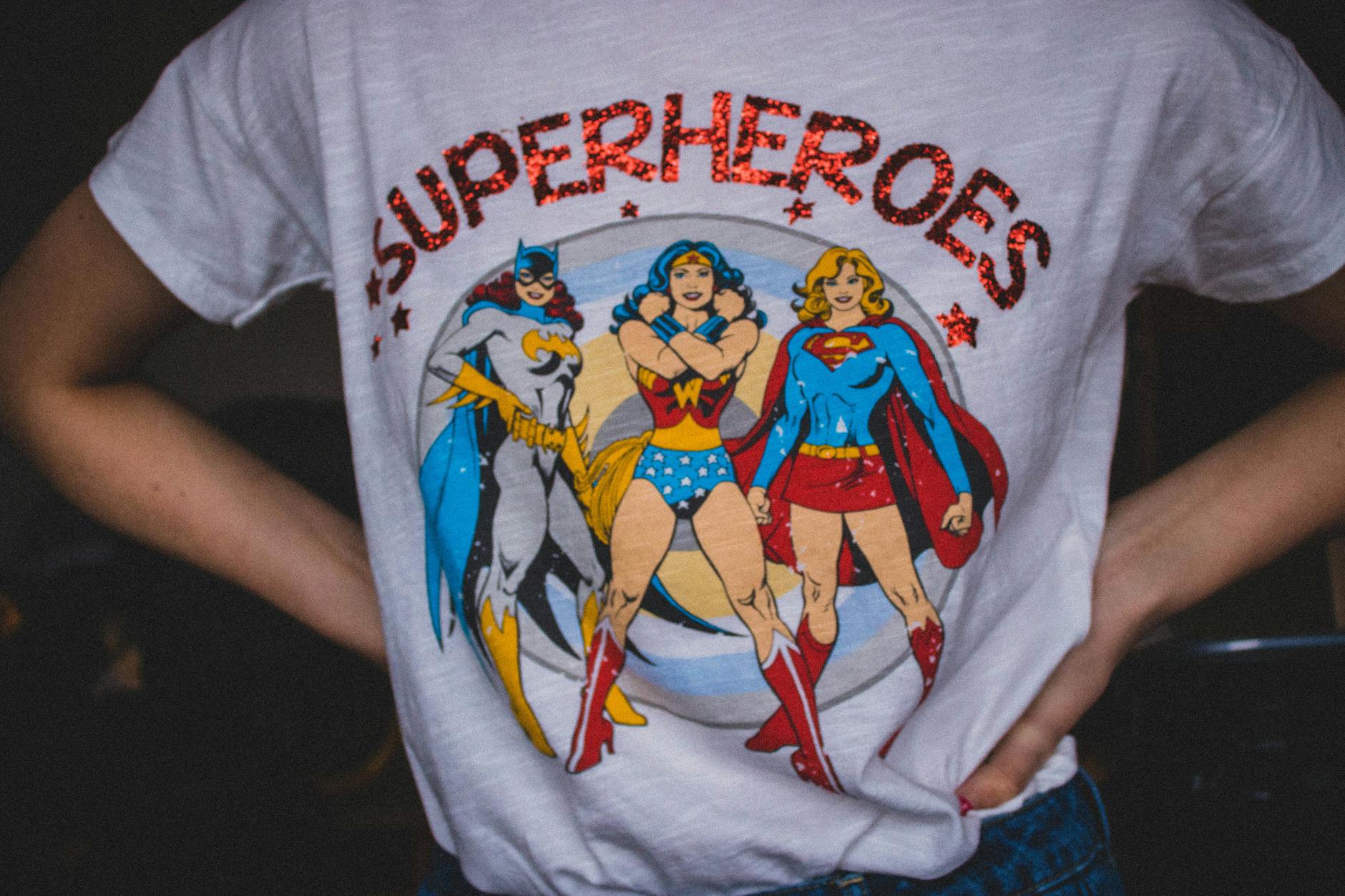
Customisable t-shirts are one of the most consistently popular promotional products in Australia — and for good reason. They’re wearable, affordable, highly visible, and instantly transform any brand into something people can carry with them every day. Whether you’re a marketing agency sourcing merchandise for a client campaign, a reseller building out your product catalogue, or a business preparing for a trade show in Sydney or a team-building event in Brisbane, custom tees offer an incredible return on investment. But ordering them well — choosing the right fabric, decoration method, supplier, and quantity — takes more knowledge than most people realise. This guide breaks down everything you need to know.
Why Customisable T-Shirts Remain a Cornerstone of Promotional Merchandise
It’s tempting to think of custom t-shirts as a bit old hat, especially with so many exciting product categories entering the market. But the data tells a different story. Branded apparel continues to rank among the highest-recalled promotional items, with recipients wearing custom tees multiple times per week in many cases. That’s thousands of impressions for a product that typically costs a few dollars per unit at scale.
For resellers, they’re a reliable revenue stream. Corporate clients, sporting clubs, schools, events teams, and charities all order custom t-shirts regularly — often annually or seasonally. A Melbourne-based marketing agency, for instance, might handle t-shirt orders for a dozen different clients across the year: a retail brand launching a summer campaign, a fintech company outfitting their conference booth staff, and a not-for-profit running a fundraising walk. Versatility is built into the product.
There’s also the longevity factor. Unlike promotional giveaways such as flyers or single-use items, a well-made custom t-shirt can stay in rotation for years. That sustained brand exposure is something clients genuinely value when you can explain it clearly.
Understanding Your Options: Fabric, Fit, and Style
Before you even get to decoration, there are meaningful choices to make about the garment itself. The quality of your base product will determine how the branding looks, how long it lasts, and whether recipients actually wear it.
Fabric Types
100% Cotton is the classic choice. It’s comfortable, breathable, and prints exceptionally well. For screen printing and heat transfer in particular, cotton provides a consistent surface that produces sharp, vibrant results. The downside is that cotton can shrink with washing and may not hold its shape as well in active settings.
Cotton/Polyester Blends offer a balance of comfort and durability. A 65/35 poly-cotton blend, for instance, tends to resist wrinkles and shrinkage better than pure cotton. These blends also work well with sublimation printing, though all-over sublimation generally requires a higher polyester content (80% or above).
Performance Fabrics (moisture-wicking polyester) are popular for sporting clubs, corporate wellness events, and outdoor activations. They’re ideal for active use, though they require careful consideration of decoration method — many don’t take standard screen printing well.
Fit and Style
Gone are the days when “custom t-shirt” meant a boxy, shapeless garment. Today’s options include fitted cuts, relaxed fits, v-necks, muscle cuts, cropped styles, and longline silhouettes. For corporate clients, a smart-casual fitted tee can work just as well as a workwear polo shirt. For events, a unisex relaxed fit is often the crowd-pleaser.
Weight also matters. A 180gsm tee feels flimsy; a 220gsm+ garment has a premium feel that recipients notice immediately. If you’re sourcing for a client who wants their branded tees to feel high-end, always specify the GSM.
Decoration Methods for Customisable T-Shirts
This is where the real expertise comes in, and it’s an area where resellers can genuinely differentiate themselves. Choosing the wrong decoration method can result in artwork that cracks, fades, or doesn’t reproduce accurately — which reflects poorly on everyone.
Screen Printing
Screen printing is the industry standard for good reason. It’s cost-effective at volume (typically 50+ units), produces vibrant, durable results, and handles most artwork styles well. Setup fees per colour apply, so it’s most economical for designs with one to four colours. For a Perth business ordering 200 branded tees for a product launch, screen printing delivers excellent value.
Embroidery
Embroidery adds a premium, textured finish that works beautifully on polo shirts and heavier cotton tees. It’s particularly well-suited to chest logos and left-breast branding. For detailed guidance, our quality guide to embroidery for promotional products covers everything from thread counts to stitch density. Note that very fine details and gradients don’t translate well into embroidery — artwork often needs simplification.
Heat Transfer and DTG (Direct-to-Garment)
Heat transfer vinyl and DTG printing are better suited to smaller runs, photographic designs, and multi-colour artwork. DTG in particular has improved significantly in recent years, making it viable for short-run, full-colour prints. If a client needs 20 personalised tees with individual names or photos, DTG is often the most practical solution. For more on print techniques, explore our photo and printing guide for a broader overview.
Sublimation
Sublimation is the go-to for all-over prints — designs that run edge-to-edge across the garment. The process bonds the ink directly into the fabric, resulting in exceptional durability. As mentioned, it requires high-polyester garments. It’s popular for sportswear, event staff uniforms, and any brand wanting maximum visual impact.
Minimum Order Quantities, Pricing, and Turnaround Times
Understanding the commercial realities of custom t-shirt orders is essential for resellers and procurement teams managing client expectations.
MOQs
Most Australian promotional product suppliers will accept orders from as few as 12–25 units for simpler decoration methods like heat transfer or DTG. Screen printing typically starts at 50 units per design due to setup costs. All-over sublimation often has MOQs of 25–50 units. If a client needs fewer than 25 pieces, it’s worth discussing DTG or heat transfer as alternatives.
Pricing Tiers
Bulk pricing applies at most quantity breaks: 50, 100, 250, 500, and 1000+ units are common tier points. A screen-printed t-shirt might cost $22 per unit at 50 pieces but drop to $10–$12 at 500 pieces. For resellers building quotes, always factor in setup fees (typically $50–$150 per colour for screen printing), artwork fees if design work is required, and freight costs for delivery across Australia.
Turnaround Times
Standard production for custom t-shirts in Australia runs 10–15 business days after artwork approval. Rush turnarounds of 5–7 business days are possible with some suppliers at a premium. For time-sensitive campaigns — say, a Gold Coast event happening in three weeks — always confirm turnaround in writing and build in buffer time for artwork revisions and proof approval.
Sourcing Tips for Resellers and Marketing Agencies
If you’re a reseller or agency managing t-shirt orders on behalf of clients, a few best practices will save you time and protect your margins.
Always request a physical sample before committing to a large order. Colours can shift between screen and print, and fabric weights feel different in person. A $30 sample could prevent a $3,000 mistake.
Establish a clear brief with your client covering: garment style, colour, decoration method, artwork files (ideally vector EPS or AI), print placement, quantity, sizes, and delivery date. Gaps in the brief are where mistakes happen.
Work with suppliers who offer PMS colour matching. For clients with strict brand standards — a government department, a national retailer, a franchise network — PMS matching ensures consistency across every order. If you’re working with suppliers near you, check out our guide to promotional product suppliers near Liverpool, Sydney as a starting point for building local relationships.
Bundle your t-shirt orders with complementary products. Clients ordering custom tees for a conference often also need promotional cooler bags, branded drinkware, or top-rated branded water bottles to round out their merchandise package. Bundling increases your average order value and makes you a more convenient one-stop partner.
Sustainability Considerations for Custom T-Shirts
Eco-conscious clients increasingly want to know what their branded apparel is made from. Organic cotton, recycled polyester (rPET), and GOTS-certified fabrics are all available through forward-thinking suppliers. If your clients are in the sustainability space, pairing their custom tees with recycled material corporate gifts or wheat straw promotional products sends a cohesive sustainability message.
You can also consider water-based inks for screen printing — they’re more environmentally friendly than plastisol inks and produce a softer hand feel that many recipients prefer. For broader eco gifting ideas, our coverage of promotional branded composting starter kits is worth a read if you’re advising eco-forward clients.
Getting the Most From Your Custom T-Shirt Campaign
The best branded t-shirts are the ones people actually want to wear — not just garments they accept at an event and stuff in a drawer. Design plays a big part in this. Bold, clean artwork tends to outperform overcrowded logos or small-text designs. Fewer colours often look more sophisticated.
Consider the distribution context. Summer branded merchandise like tees works particularly well as summer branded gifts for employees or seasonal campaign items. For ideas on broader seasonal gifting, our guide to top-rated custom t-shirts in Melbourne digs into local supplier considerations worth reviewing.
For event-specific use, think about how the tee fits into the broader experience. Staff uniforms, volunteer shirts, and participant tees all serve different purposes and may warrant different decoration choices and garment styles.
Key Takeaways
- Customisable t-shirts deliver exceptional ROI due to high wearability, broad appeal, and long product life — making them a staple for promotional budgets of all sizes.
- Fabric choice and garment weight directly affect perceived quality and decoration results — specify GSM and composition in every brief.
- Decoration method should match artwork and volume — screen printing suits volume runs, DTG suits short-run complex designs, and sublimation is best for all-over graphics.
- MOQs and pricing tiers vary by method and supplier — understanding these upfront helps resellers and agencies quote accurately and manage client expectations.
- Sustainable options are increasingly available — organic cotton, rPET fabric, and water-based inks allow eco-conscious clients to align their branded apparel with their values.
Whether you’re placing your first custom t-shirt order or you’re a seasoned reseller managing dozens of apparel briefs each year, the fundamentals remain consistent: start with a great garment, match the decoration method to the artwork, and work with suppliers who communicate clearly and deliver consistently. Customisable t-shirts done well are one of the most powerful tools in any brand’s promotional arsenal — and with the right knowledge behind you, it’s easy to get them right every time.