
Dye Sublimation Apparel: The Complete Australian Buyer's Guide for 2026
Discover everything you need to know about dye sublimation apparel in Australia — from how it works to ordering tips for resellers and businesses.

Written by
Max Sharma
Custom Apparel
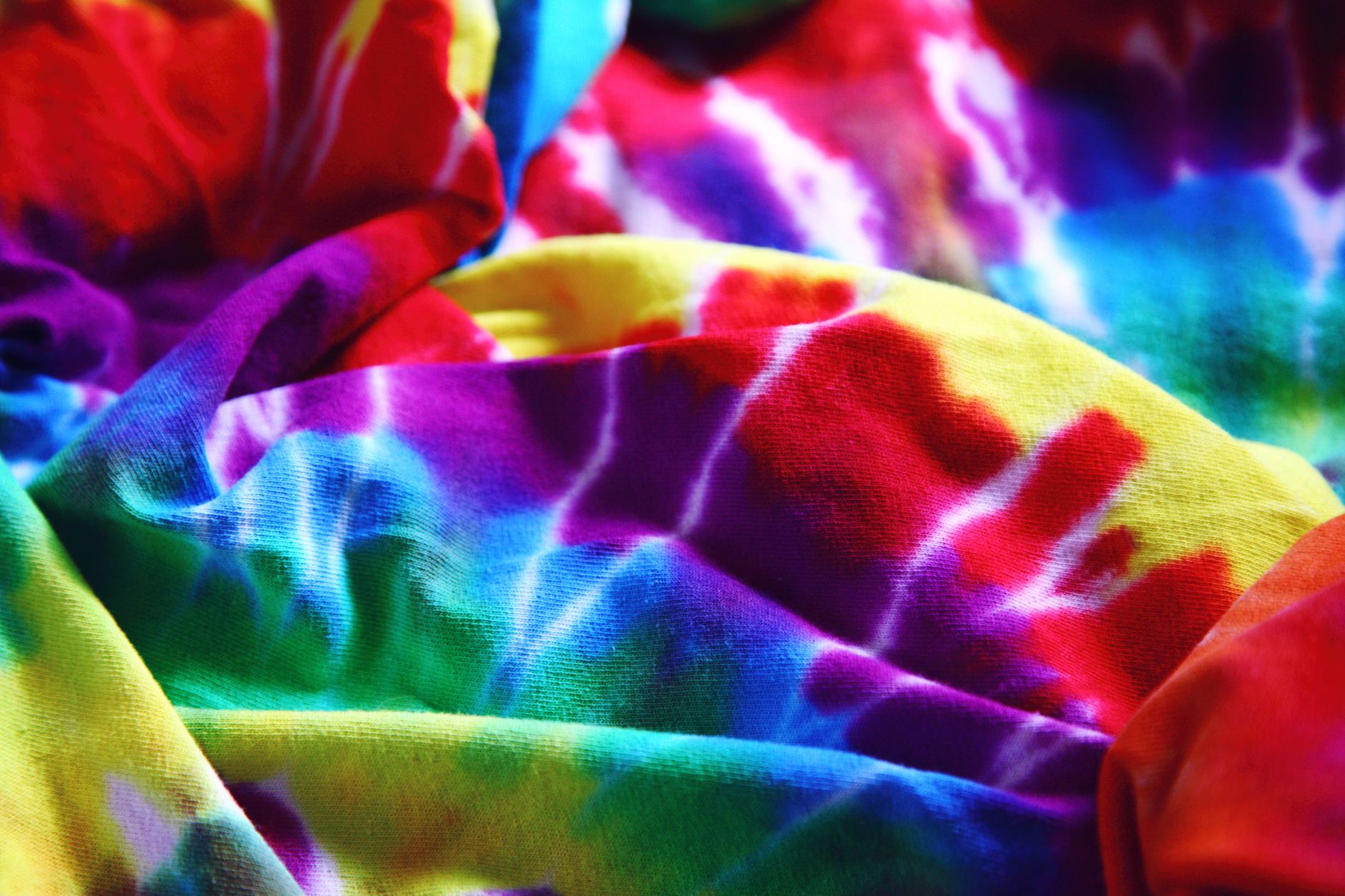
If you’ve ever admired a sports jersey covered in bold, edge-to-edge graphics or a promotional polo with flawless full-colour branding, there’s a good chance dye sublimation was behind it. This decoration method has transformed the way Australian businesses, marketing agencies, and resellers approach custom apparel — delivering vibrant, durable results that other techniques simply can’t match. But like any print process, dye sublimation comes with its own set of rules, limitations, and best practices. Whether you’re sourcing branded garments for a corporate event in Melbourne, ordering custom sportswear for a Brisbane club, or building out a reseller catalogue for 2026, this guide will walk you through everything you need to know.
What Is Dye Sublimation Apparel?
Dye sublimation is a heat-transfer printing process where special inks are converted from a solid directly into a gas — bypassing the liquid stage entirely. That gas then bonds permanently with the fibres of polyester-based fabric, becoming part of the material itself rather than sitting on top of it.
The result? Prints that don’t crack, peel, or fade — even after hundreds of wash cycles. Unlike screen printing (which deposits ink layers onto a fabric surface) or embroidery (which creates texture through stitched thread), sublimation creates imagery that is literally embedded into the garment.
How the Process Works
The workflow involves printing your artwork onto specialised transfer paper using sublimation inks, then applying that paper to the fabric under high heat and pressure — typically around 200°C for 30–60 seconds. The heat causes the inks to sublimate and migrate into the polyester fibres, locking the design permanently in place.
This process allows for incredibly detailed, photographic-quality imagery across the entire surface of a garment — including over seams and across panels — which is why it’s the preferred method for all-over print designs.
The Polyester Requirement
Here’s the critical limitation every buyer needs to understand: dye sublimation only works effectively on polyester or polyester-blend fabrics. The higher the polyester content, the more vibrant and accurate the final colour output. On 100% polyester, you’ll achieve rich, saturated colours. On a 50/50 poly-cotton blend, expect a softer, slightly washed-out look. On 100% cotton? The inks simply won’t bond properly.
This is a key consideration when selecting blanks for your dye sublimation apparel project. If your client is set on a cotton feel, you may need to explore other decoration options.
Why Dye Sublimation Is Popular with Australian Businesses
The appeal of dye sublimation goes well beyond print quality. For businesses and resellers across Australia, it offers a combination of advantages that make it the go-to choice for specific use cases.
Full-Colour, All-Over Printing
Traditional screen printing is cost-effective for simple, flat designs with a limited number of colours. Dye sublimation removes those restrictions entirely. Your design can include gradients, photographic images, complex patterns, and unlimited colours — all at no additional cost per colour. This makes it ideal for:
- Sports uniforms and activewear where performance aesthetics matter
- Event merchandise requiring on-brand, full-coverage designs
- Promotional garments for agencies who want standout visual impact
- Custom workwear where safety colours and branding need to coexist
For deeper insights into how sublimation compares within the sportswear space specifically, our [guide to sportswear branding]((/sportswear-branding/) covers decoration methods, fabric choices, and ordering considerations in detail.
No Colour Registration Issues
With screen printing, each colour requires a separate screen — and slight misalignment can cause registration issues. Sublimation prints the entire design in one pass, eliminating this risk. This is particularly valuable for complex logos, detailed artwork, and full-panel designs.
Durability That Outlasts Other Methods
Because the ink becomes part of the fabric, sublimated prints are extraordinarily durable. There’s no ink sitting on the surface that can crack under strain or peel with washing. For resellers offering branded apparel to corporate clients in Perth, Adelaide, or Canberra who need garments that hold up over time, this durability translates directly into customer satisfaction and repeat orders.
Lightweight and Breathable Finishes
Sublimated garments retain their original fabric feel because there’s no additional ink layer adding weight or texture. This makes dye sublimation apparel particularly well-suited to performance wear, summer uniforms, and activewear — categories where breathability matters.
Understanding the Limitations Before You Order
Being well-informed about the constraints of dye sublimation will save you from costly mistakes and client disappointment down the line.
White or Light Fabric Base Required
Sublimation inks are transparent — they don’t carry their own opacity. This means the final colour output is influenced by the fabric colour beneath. For accurate colour reproduction, you must start with a white or very light-coloured blank garment. If a client wants a dark navy blue base garment with full-colour printing, sublimation isn’t the right solution. Direct-to-garment (DTG) or screen printing would be more appropriate.
Minimum Order Quantities
Because each sublimation garment is typically printed on demand (especially for fully custom all-over designs), minimum order quantities (MOQs) can vary significantly. Some suppliers will accommodate low MOQs of as few as five to ten pieces for standard cut-and-sew sublimation, while others may require 25–50 units. Cut-and-sew sublimation — where fabric panels are printed before being sewn together — generally has higher MOQs due to the manufacturing complexity involved.
If you’re a reseller managing multiple smaller orders, it’s worth discussing tiered pricing structures and consolidating orders where possible to access better per-unit rates.
Turnaround Times
Standard dye sublimation turnaround times in Australia typically range from 10 to 20 business days for custom cut-and-sew garments, depending on the complexity of the design and whether samples are requested. Pre-made sublimation-ready blanks (e.g. singlets, polos, or jerseys onto which a design is applied) can turn around faster — sometimes in five to ten business days.
If you have a hard deadline — such as a Gold Coast event or a Darwin conference — always confirm turnaround times and factor in shipping to your location before placing an order.
Artwork Requirements
Dye sublimation demands high-quality artwork. Because designs are printed at photographic resolution, low-resolution logos or pixelated images will be clearly visible in the final product. Artwork should be supplied at 150–300 DPI at the finished print size, in RGB colour mode (sublimation presses use RGB-based colour profiles, not CMYK). Always request a digital proof before approving your order — colour calibration between screen and final print can vary.
Choosing the Right Products for Dye Sublimation
Not all sublimation-ready garments are created equal. The category is broad, and the right choice depends on your end-use case.
Performance Apparel and Activewear
This is where sublimation truly excels. Performance singlets, running shorts, cycling jerseys, basketball uniforms, and compression tops are all commonly decorated via sublimation. The polyester construction is a natural fit, and the all-over print capability allows for truly custom designs that look professional at any budget level.
Custom Polos and Work Shirts
Polyester pique or moisture-wicking polo shirts are increasingly popular for corporate sublimation projects. They offer a professional appearance while leveraging sublimation’s ability to incorporate complex branding across the chest, sleeves, and back — ideal for trade shows, conferences, and corporate hospitality events.
Sublimated Caps and Headwear
Flat-panel caps made from polyester fabrics can be sublimated for consistent all-over colour and branding — a popular choice for promotional giveaways and event merchandise.
Beyond Apparel
Sublimation isn’t limited to garments. The same technique applies to a range of promotional products, including custom coasters, promotional cups, and personalised canvas bags made from poly-blend materials — expanding the potential for cohesive, fully branded merchandise suites.
Practical Tips for Resellers and Marketing Agencies
If you’re sourcing dye sublimation apparel on behalf of clients, here are some key considerations to streamline the process and protect your margins.
Educate clients on fabric requirements early. Colour expectations, feel preferences, and fabric choices need to be aligned before artwork is finalised. Misaligned expectations are the biggest source of order complications in sublimation projects.
Request physical samples where possible. For large orders, always request a pre-production sample — particularly for cut-and-sew custom uniforms where fit and construction matter as much as print quality.
Build artwork review into your timeline. Sublimation projects require back-and-forth on proofing. Budget at least two to three business days for the client to review and approve artwork before production begins.
Consider bundled merchandise campaigns. Sublimation apparel pairs powerfully with matching branded accessories. Think about pairing a corporate polo campaign with work Christmas gift ideas that complement the overall brand story — creating cohesive gifting moments rather than one-off items.
Plan for size breakdowns early. Cut-and-sew sublimation requires panels to be pre-printed for each size — meaning size changes post-production aren’t possible. Collect size data from your client well in advance.
Conclusion: Key Takeaways on Dye Sublimation Apparel
Dye sublimation apparel is one of the most versatile and visually impressive decoration methods available to Australian businesses and resellers in 2026. It’s ideal for all-over print designs, performance wear, and complex branding projects where standard methods fall short. But it requires the right fabric, careful artwork preparation, and realistic timeline management to deliver consistently outstanding results.
Here’s a quick summary of what to keep in mind:
- Polyester is non-negotiable — sublimation only bonds correctly to poly or high-poly blends, and works best on white or light-coloured garments
- Full-colour, all-over designs are sublimation’s greatest strength — take advantage of this capability for maximum visual impact
- Artwork quality matters enormously — supply high-resolution RGB files and always approve a digital proof before production commences
- MOQs and turnarounds vary — confirm these details with your supplier early, especially for cut-and-sew custom garments
- Sublimation extends beyond apparel — consider building cohesive branded merchandise suites using the same technique across multiple product types
With the right supplier relationship and a clear understanding of how dye sublimation works, you’ll be well-positioned to deliver impressive, lasting results for every branded apparel project on your books.