
Photo and Printing for Promotional Products: The Complete Guide for Australian Businesses
Discover how photo and printing techniques transform branded merchandise in Australia. Expert tips for businesses, resellers, and marketing agencies.

Written by
Stella Kwan
Branding & Customisation
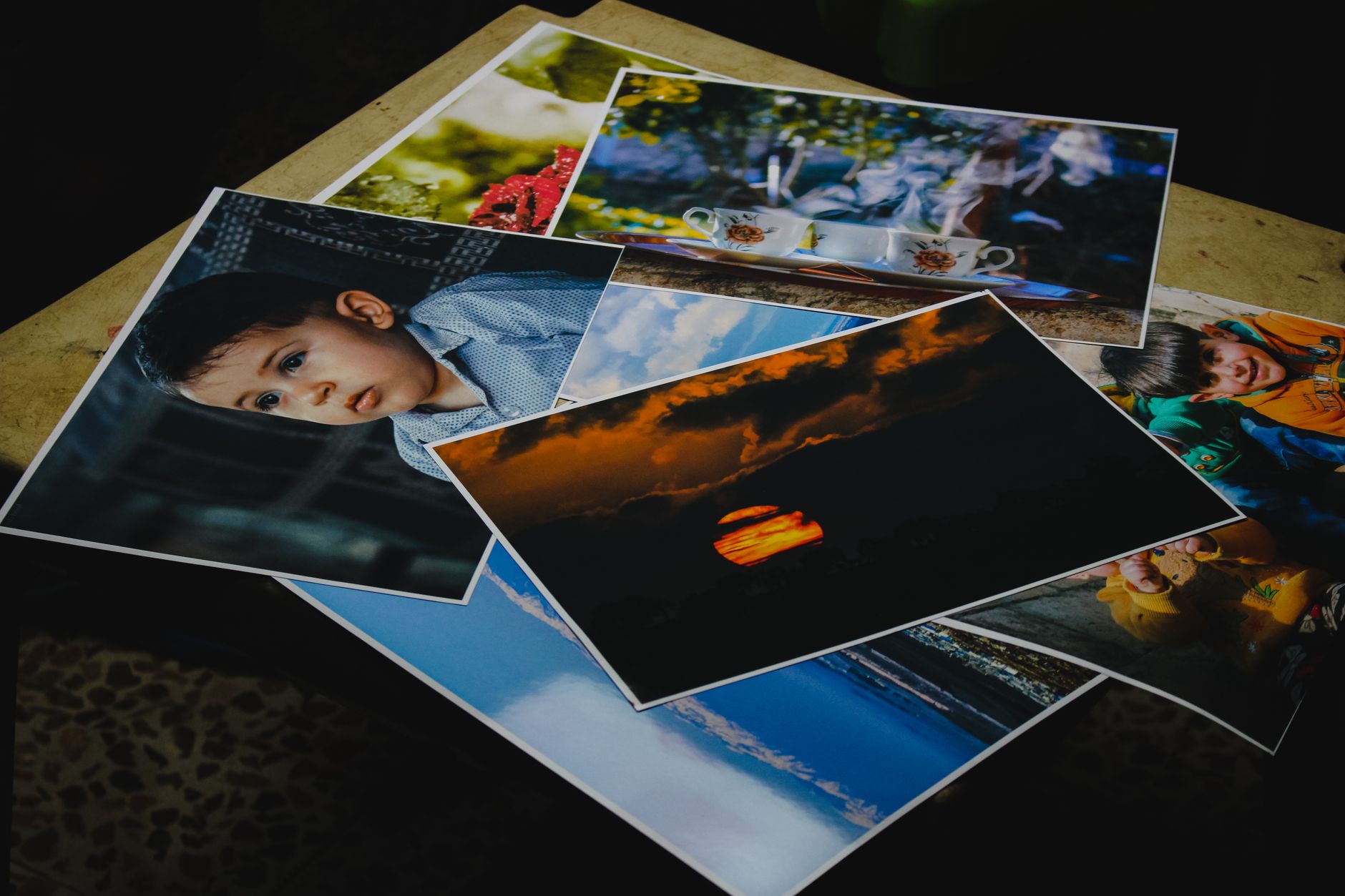
Choosing the right photo and printing approach for your branded merchandise can feel overwhelming — especially when you’re managing tight deadlines, strict brand guidelines, and a budget that needs to stretch as far as possible. Whether you’re a marketing agency sourcing corporate gifts for a client in Melbourne, a reseller building out your product catalogue, or an in-house brand manager coordinating merchandise across multiple Australian offices, understanding how photo and printing methods work on promotional products is genuinely one of the most valuable things you can invest your time in. Get it right, and your branded merchandise looks sharp, lasts well, and delivers real brand impact. Get it wrong, and you’re facing reprint costs, disappointed clients, and products that don’t represent your brand the way they should.
This guide breaks down everything you need to know about photo and printing for promotional products — from choosing the right decoration method to understanding artwork requirements, turnaround times, and when photographic printing actually makes sense for your campaign.
What Does “Photo and Printing” Actually Mean in Promotional Products?
In the promotional products world, “photo and printing” refers to any decoration technique capable of reproducing detailed, photographic-quality imagery — full-colour gradients, portraits, complex illustrations, and multi-tone brand artwork — directly onto a product’s surface. This is distinct from simpler methods like single-colour pad printing or one-location embroidery.
The most relevant photo and printing techniques for promotional merchandise include:
Full-Colour Digital Printing
Digital printing uses inkjet or laser technology to apply artwork directly to a product or to a transfer that’s then applied to the product. It’s ideal when your artwork involves photographs, complex gradients, or many colours. Products like mugs, tote bags, mouse pads, and even some apparel items respond brilliantly to this method.
Dye Sublimation
Sublimation is arguably the gold standard for photo-quality printing on promotional products. The process uses heat and pressure to transfer dye directly into the surface of the material — producing vivid, permanent, full-bleed imagery that won’t crack, peel, or fade the way some surface-applied prints can. It works on polyester fabrics and polymer-coated hard goods such as mugs, drink bottles, keyrings, and phone accessories. Sublimation is particularly popular in Australia for sports apparel, event merchandise, and gifts where photo reproduction is critical.
UV Printing
UV printing cures ink instantly using ultraviolet light, allowing photo-quality decoration on rigid surfaces including acrylic awards, metal business card holders, and hard plastics. It’s a strong choice when you need photographic detail on a product that wouldn’t suit heat transfer or digital printing.
Heat Transfer Printing
Heat transfer involves printing your artwork — including photographic images — onto a special film or paper, then pressing it onto the product using heat and pressure. It’s versatile, accessible, and works across a wide range of substrates. Personalised promotional products in Australia often use heat transfer when shorter runs don’t justify the setup costs of screen printing.
When Should You Use Photo-Quality Printing for Branded Merchandise?
Not every promotional product needs photographic reproduction. Understanding when photo and printing is genuinely the right choice — versus simpler one or two-colour methods — will save your clients money and deliver better results.
Campaigns Where Photography Adds Real Value
Some use cases are almost tailor-made for photographic printing:
- Real estate agencies in Sydney and Brisbane frequently produce branded calendars, notebooks, and property-showcase merchandise featuring high-resolution photography of listed properties. A photo-printed photo frame with magnet makes an especially memorable giveaway for open home visitors.
- Charities and event organisers running major fundraisers often want merchandise that tells a visual story. If you’re producing event merchandise for charity runs in Perth, full-colour sublimated singlets or photo-printed tote bags let the cause’s imagery take centre stage.
- Corporate clients celebrating milestones — anniversaries, product launches, team achievements — may want photo-printed merchandise featuring actual photographs of their team or product.
- Retail and FMCG brands running seasonal campaigns (think Halloween branded trick-or-treat bags) frequently require photographic artwork reproduction to bring packaging and promotional items to life.
When Simpler Methods Are a Better Fit
If the artwork is a clean two-colour logo and the product is a classic promotional pen or a structured polo shirt, photo-quality printing is often overkill and can add unnecessary cost. Methods like embroidery, screen printing, and pad printing are more durable and cost-effective for straightforward logo applications. Our quality guide to embroidery for promotional products is a useful reference if you’re weighing up decoration options for apparel.
Key Artwork Requirements for Photo and Printing
This is where many organisations run into trouble. Submitting the wrong artwork for photo-quality printing jobs is one of the leading causes of print delays and disappointing results.
Resolution and File Format
For photographic printing, artwork should ideally be supplied as high-resolution files — typically 300 DPI or higher at the intended print size. Raster-based formats (TIFF, PSD, high-quality JPEG) are suitable for photographic images. Vector formats (AI, EPS, PDF) remain the standard for logo-based artwork and should be used wherever photography isn’t involved. Sending a 72 DPI image pulled from a website will not produce a sharp photo print — this is one of the most common mistakes we see, particularly from organisations ordering merchandise for the first time.
Colour Profiles
Photo printing for physical products uses CMYK colour profiles, not RGB. Artwork created for screen display in RGB will often look noticeably different when printed. If brand colour accuracy matters — and for corporate clients it almost always does — request a pre-production sample or physical proof before approving a full run. Note that photographic images don’t lend themselves to PMS spot colour matching the way flat logo artwork does.
Bleed and Safe Zones
If you need a full-bleed photographic print — common on items like sublimated apparel, mouse pads, or printed tote bags — ensure your artwork extends beyond the trim line with adequate bleed (usually 3mm minimum). Important elements like faces in a photo should be kept well within the safe zone to avoid being cut off or wrapped awkwardly around a curved surface.
Products Best Suited to Photo and Printing
Not all promotional products accept photographic printing equally well. Here’s a quick reference guide for resellers and buyers:
Excellent candidates:
- Sublimation mugs and ceramic drinkware (see trends in our promotional drinkware market overview)
- Full-colour tote bags and event bags
- Mouse pads and desk mats
- Photo-printed apparel via sublimation (polyester or poly-blend fabrics)
- Acrylic awards and recognition products
- Fridge magnets and branded photo products
- Branded notebooks with full-colour cover printing
Moderate suitability (surface and material dependent):
- Hard drink bottles with polymer coating (sublimation works; anodised metal does not)
- Phone accessories and cases
- Promotional cable organisers with printed packaging or carry pouches
- Custom stress balls with photographic printed artwork (UV or pad print, lower detail)
Lower suitability:
- Embroidered apparel (embroidery doesn’t reproduce photos)
- Natural fabric bags without a polymer coating
- Textured or heavily curved surfaces that distort fine detail
Turnaround Times and Minimum Order Quantities
Turnaround expectations for photo and printing jobs vary significantly based on the method and the supplier’s current capacity. As a general guide for Australian orders in 2026:
- Standard sublimation runs (mugs, flat garments): 7–14 business days after artwork approval
- Full-colour digital print on hard goods: 10–15 business days
- UV printing on awards or rigid items: 10–20 business days depending on complexity
- Rush orders: Available with most suppliers, typically at a 15–30% surcharge, and usually require 3–5 business days minimum
MOQs (minimum order quantities) for photo-quality printing are often lower than you might expect — many suppliers will run photographic mugs from as low as 24 units, and some digital print applications start at 1 unit for truly personalised items. Sublimation on apparel typically has MOQs of 12–25 pieces. If you’re ordering custom t-shirts in Australia, check whether the supplier’s decoration method is sublimation or heat transfer to understand your colour limitations.
Eco-Friendly Options in Photo and Printing
Sustainability is increasingly front-of-mind for Australian businesses and their procurement teams. The good news is that photographic printing isn’t incompatible with eco-conscious sourcing. Several product categories combine photo-quality decoration with sustainable materials:
- Sublimation-printed tote bags made from recycled PET fabrics
- Wheat straw promotional products with full-colour digital printing on plant-based materials
- Printed drinkware that reduces single-use plastics
- Eco-friendly promotional products in Brisbane sourced from suppliers committed to responsible manufacturing
If your client is in the sustainability space or running a green-themed campaign, you might also point them toward our guide on promotional branded composting starter kits for eco brands — another avenue where high-quality print work adds significant perceived value to an eco-conscious gift.
For Sydney-based clients specifically, eco-friendly office supplies in Sydney is worth exploring for photographic printing on sustainable desk accessories and stationery products.
Practical Tips for Resellers and Marketing Agencies
If you’re sourcing photo and printing work on behalf of clients, a few practical habits will make your life significantly easier:
- Always request a digital proof before production — and get written client sign-off on it. Colour calibration differences between screens mean clients sometimes see something different to what you approved.
- Order a pre-production sample for large runs — particularly for sublimation on apparel or premium corporate gifts. A sample typically costs $30–$80 and can save thousands in reprints.
- Build in artwork revision time — photographic print jobs frequently require colour correction, resolution fixes, or crop adjustments. Allow 2–3 business days buffer for artwork sign-off when quoting deadlines to clients.
- Understand substrate limitations — not every photo looks great on every product. A moody dark-toned photograph may wash out on a white ceramic mug but look stunning on a full-bleed sublimated mouse pad.
- Factor in photography licensing — if a client wants to use stock photography on branded merchandise, ensure the image licence covers commercial product use and reproduction in multiple units.
Photo and printing considerations also apply beautifully to gift and welcome pack contexts. If you’re building custom welcome packs for new employee onboarding, photographic quality printing on the packaging box or a branded photo print item adds a personal, memorable touch that plain logo merchandise can’t match.
Conclusion
Mastering photo and printing for promotional products is one of the most powerful skills a reseller or marketing agency can develop. When you understand which decoration methods reproduce photographic imagery faithfully, which substrates work best, and how to prepare artwork correctly, you’ll deliver consistently better results for your clients — and minimise the costly mistakes that come from treating all printing methods as interchangeable.
Key takeaways:
- Dye sublimation and UV printing are the leading methods for genuine photo-quality results on promotional merchandise
- Always supply artwork at 300 DPI minimum, in CMYK colour profile, with adequate bleed for full-bleed applications
- Request digital proofs and pre-production samples before approving large or premium runs
- Photo-quality printing is best suited to specific product types — mugs, mouse pads, sublimated apparel, and full-colour bags are reliable performers
- Eco-friendly photo-printed options do exist and are increasingly available through quality Australian promotional product suppliers
- Build in buffer time for artwork approvals and always get written client sign-off before production begins