
Solar Power Banks as Promotional Products: The Complete Australian Buyer's Guide
Discover how to source branded solar power banks for Australian businesses, with tips on MOQs, decoration, budgets, and choosing the right supplier.

Written by
Felix Okafor
Tech & Electronics
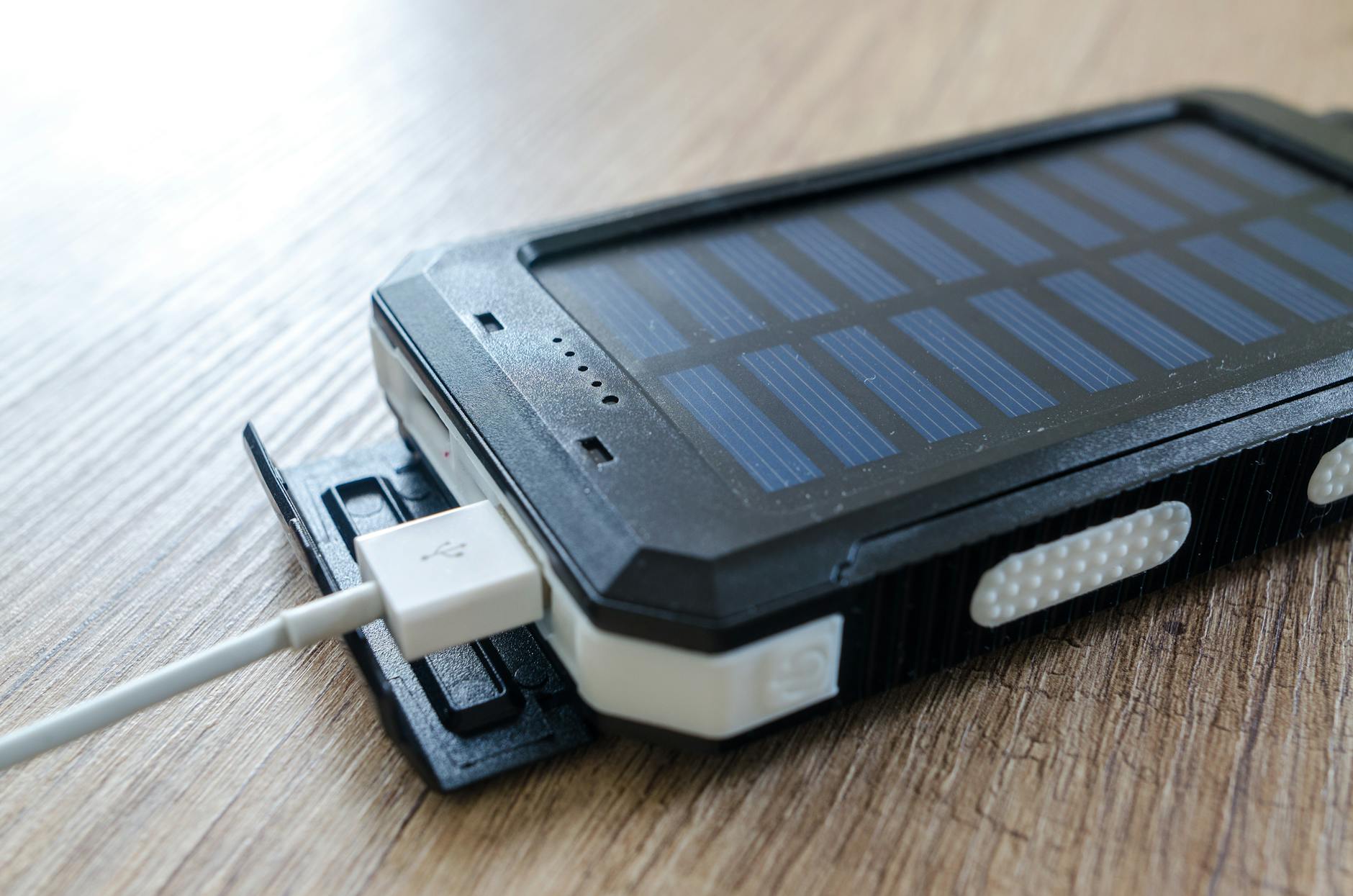
Choosing the right tech promotional product can feel overwhelming when there are hundreds of options competing for your budget. But few items in the promotional space tick as many boxes as a solar power bank — it’s practical, premium-feeling, eco-conscious, and genuinely useful in everyday life. For Australian businesses, marketing agencies, and resellers sourcing branded merchandise in 2026, solar-charged power banks represent one of the smartest investments in tech gifting. This guide covers everything you need to know before placing your first (or next) order.
Why Solar Power Banks Are Booming as Promotional Products in Australia
Australia’s sun-drenched climate gives solar-powered products a natural relevance that other markets simply can’t match. From the beaches of the Gold Coast to the red dust of the Northern Territory, Australians spend more time outdoors than almost anyone on earth. A branded solar power bank isn’t just a promotional giveaway — it’s a product people will actually reach for, charge up, and carry with them regularly.
The promotional products industry has seen a notable shift in recent years toward items that feel premium and purposeful. Cheap plastic pens still have their place, but corporate clients and end-users increasingly expect branded merchandise that reflects genuine values. Solar power banks sit perfectly at the intersection of tech functionality, sustainability, and lifestyle appeal.
For marketing agencies managing large-scale campaigns, solar power banks offer high perceived value relative to their cost. For resellers, they carry strong margins and attract repeat purchasing from clients in sectors like construction, events, real estate, and education. And for businesses sourcing their own branded merchandise, they make compelling executive gifts, conference handouts, and loyalty rewards.
It’s also worth noting how well these products complement other branded merchandise categories. If you’re building out a full promotional merchandise suite — perhaps alongside custom branded drinkware or branded sportswear for corporate teams — solar power banks add a tech-focused dimension that rounds out a cohesive gifting programme.
Understanding Solar Power Bank Specifications: What to Look For
Before briefing a supplier, it helps to understand the core specifications that determine quality, usability, and price point. Not all solar power banks are created equal, and choosing the wrong spec can lead to client disappointment or product returns.
Battery Capacity
Measured in milliampere-hours (mAh), battery capacity is the most important spec. Common options in the promotional market include:
- 4,000–6,000 mAh — budget-friendly entry point, suitable for a single smartphone charge
- 8,000–10,000 mAh — mid-range, popular for corporate gifting and events
- 20,000+ mAh — premium tier, capable of charging laptops and multiple devices
For most promotional applications, 8,000–10,000 mAh hits the sweet spot between cost, size, and perceived value. A Perth mining company gifting safety induction packs, for example, might opt for a high-capacity model given the rugged, remote environments their teams work in.
Solar Panel Efficiency
Here’s where many buyers get caught out. The solar panel on a promotional power bank is typically a supplementary charging source rather than a primary one — it’s designed to provide a trickle charge in outdoor conditions, not fully recharge the battery in an afternoon. Legitimate suppliers will be transparent about this. If a supplier claims a small panel will fully charge a 10,000 mAh battery in a few hours, treat that claim with scepticism.
The practical value of the solar panel is emergency top-up capability — keeping a device alive when there’s no access to a power point. For Australian outdoor events, sporting clubs, and field-based workers, this is genuinely useful.
Charging Ports and Connectivity
In 2026, dual USB-A and USB-C outputs are the standard expectation. Some premium models include wireless (Qi) charging compatibility, which adds perceived value and justifies a higher price point. Confirm port compatibility for your end-users before finalising specs.
Build Quality and IP Ratings
Many solar power banks are marketed as rugged or weather-resistant. If outdoor durability is a priority — particularly for clients in construction, agriculture, or events — look for models with an IP54 or higher rating, which indicates dust and splash resistance.
Branding Options for Solar Power Banks
Decoration methods for solar power banks are more limited than soft goods like apparel, but there are still several solid options available through reputable Australian suppliers.
Laser Engraving
The most durable and premium-looking decoration method. Laser engraving removes the surface coating to reveal the material beneath — usually a contrasting silver or aluminium tone on darker units. It’s ideal for executive gifts and situations where longevity of branding is important. Logos with clean lines and simple designs reproduce best.
Pad Printing
The most widely used method for promotional power banks. Pad printing applies ink directly to the product surface in one or two spot colours. It’s cost-effective, widely available, and works well across most surface types. PMS colour matching is typically available for brand-accurate results.
Digital Printing and Full-Colour UV Printing
For designs with gradients, photos, or multiple colours, digital or UV printing offers the most flexibility. It tends to carry a slightly higher cost per unit but opens up far more creative possibilities — useful for agencies working on high-impact campaign merchandise.
Minimum Order Quantities, Lead Times, and Budgeting
Understanding the commercial realities of sourcing solar power banks helps you plan campaigns effectively and set accurate client expectations.
Minimum Order Quantities (MOQs)
Most Australian suppliers and wholesalers set MOQs for branded solar power banks at 25–50 units for standard decoration. Pre-decorated or generic stock-logo items occasionally have no minimum, but bespoke branding will almost always require a minimum run. Rush orders and low-volume orders typically attract setup fees that may not be viable on small quantities.
For larger campaigns — say, a Sydney-based fintech company ordering 500 units for a major product launch — bulk pricing tiers kick in and the per-unit cost drops considerably. Always ask your supplier for tiered pricing at 50, 100, 250, and 500+ units.
Typical Budget Ranges
As a rough guide for Australian resellers and buyers in 2026:
- Entry-level solar power banks (branded): $18–$30 per unit
- Mid-range models: $35–$60 per unit
- Premium, high-capacity or wireless-charging models: $65–$120+ per unit
These figures are indicative and will vary depending on decoration method, quantity, and current material costs. Freight from overseas manufacturers — which is how most Australian promotional suppliers source their product — also plays a role in final landed pricing.
Lead Times
Standard decorated orders typically take 3–4 weeks from artwork approval to delivery in major Australian cities like Melbourne, Brisbane, and Sydney. Regional deliveries to places like Darwin or Hobart may add a few days. If you’re working toward a fixed event date, always build in buffer time. Rush production options exist but come at a premium, and not all suppliers offer them for tech products.
Best Use Cases: Who’s Buying Solar Power Banks and Why
Understanding the most common buyer profiles helps resellers and agencies pitch this product with confidence.
Corporate Gifting and Executive Gifts
A Canberra-based professional services firm sending end-of-year gifts to clients needs something that feels premium without being extravagant. A branded solar power bank fits the brief perfectly — functional, tech-forward, and relevant to any industry. If you’re building out a gifting programme, pairing them with other premium items can create a strong impression. Our guide to work Christmas gift ideas for Australian businesses covers complementary product pairings worth considering.
Outdoor Events, Festivals, and Conferences
Event merchandise needs to be useful and portable. A solar power bank is one of the few tech giveaways that people genuinely want at an outdoor event, particularly multi-day festivals or trade expos where keeping devices charged is a constant challenge. A Brisbane-based event agency sourcing merchandise for a renewable energy summit, for instance, couldn’t find a more on-brand giveaway.
Sporting Clubs and Teams
Clubs sourcing merchandise for athletes and supporters increasingly look for functional items that align with active lifestyles. Solar power banks complement team merchandise programmes nicely. If you’re already managing sportswear branding for a club or association, adding a solar power bank to the product range creates a complete branded merchandise offering.
Real Estate and Construction
Field-based industries love tech accessories. Real estate agents doing open inspections all weekend and construction supervisors on remote sites both have a genuine, daily need for a reliable power source. These sectors often have healthy promotional budgets and respond well to premium tech gifting.
Working With Australian Suppliers: Key Questions to Ask
When briefing a supplier, these questions will save you time and reduce the risk of costly surprises:
- What is the actual solar panel output (mW)? A reputable supplier will have this data.
- Is the battery capacity genuine or inflated? Some manufacturers misrepresent mAh figures.
- Can you provide a pre-production sample before the full run? For orders over 100 units, this is non-negotiable.
- What is the warranty or replacement policy? Tech products can fail, and you need clarity on recourse.
- Are the products CE or RoHS compliant? Australian electrical safety standards require compliance, particularly for items containing lithium batteries.
- What is the freight cost and delivery timeline to my state?
Taking time to ask these questions upfront protects both you and your clients, and distinguishes professional resellers from those who get caught out by quality issues.
Conclusion: Key Takeaways for Sourcing Branded Solar Power Banks
Solar power banks continue to grow as a promotional product category in Australia, and for good reason. They deliver practical value, align with sustainability narratives, and carry a premium feel that resonates with diverse audiences. Whether you’re a reseller building out your product catalogue, a marketing agency managing a client campaign, or a business sourcing your own branded merchandise, here are the essential points to carry forward:
- Spec matters more than aesthetics — confirm battery capacity, charging output, and port compatibility before committing to an order.
- Solar functionality is supplementary, not primary — set accurate expectations with clients so the product delivers on its promise.
- Decoration method should match the brand — laser engraving for premium executive gifts, pad printing for volume campaigns, digital printing for colourful or complex artwork.
- Plan lead times carefully — allow 4–5 weeks from artwork sign-off to delivery, especially for regional Australian destinations.
- Ask the right questions early — compliance, warranties, sample availability, and freight costs are all critical factors in a smooth order experience.
With the right supplier relationship and clear product specifications, a branded solar power bank can be one of the most impactful tech products in your promotional merchandise portfolio.